Home About Us Resources Technologies Energy Business Model Key Projects Field Gallery Academic R&D ESG & Community Contact Us Partner With Us
Hongao New Technology Australia  ·  Queensland

Engineering Waste Into
National Assets.

Where advanced biomass meets heavy industry. Eight wholly-owned technology platforms engineer recovered polymers, crop residue, and invasive species into high-performance rail infrastructure, structural bio-materials, and bio-nutrients. Designed in Queensland, validated with Australian universities.

Australian University R&D Partner
Wholly-Owned IP  ·  7 Platforms
Chain-of-Custody Reporting
Queensland Based
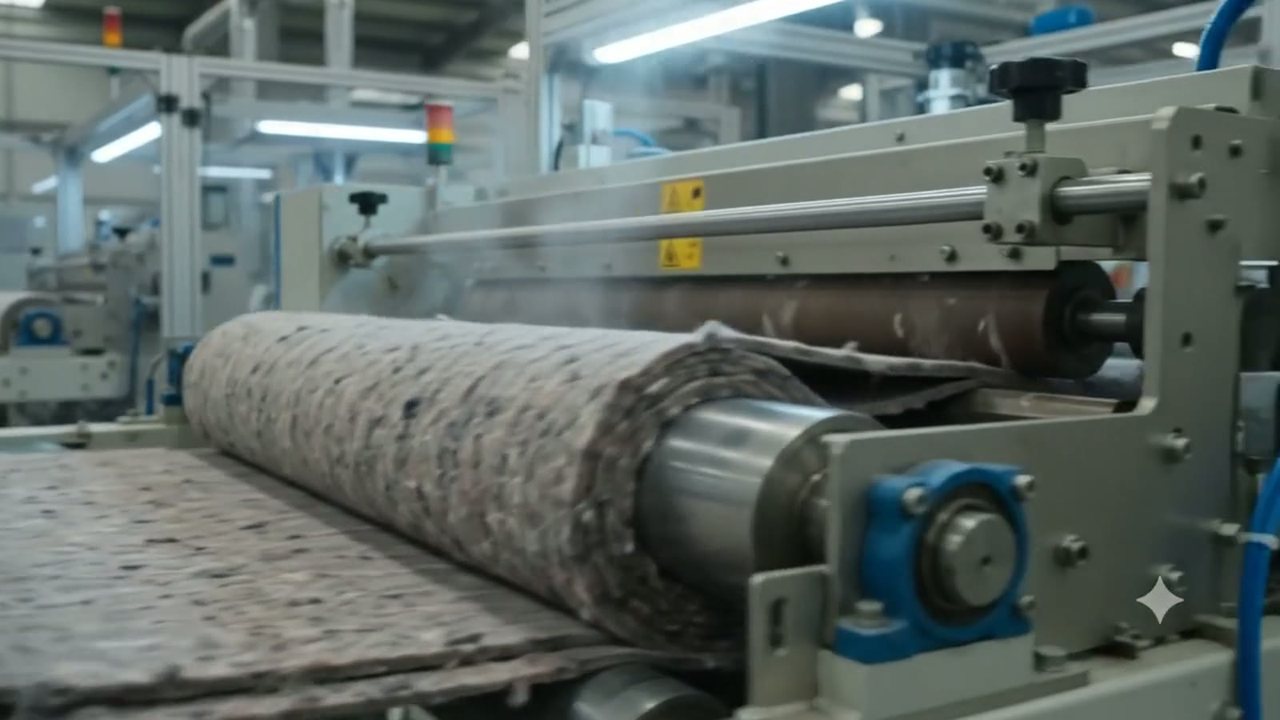
Rail Sleepers Ternary rubber profile Bio-Bricks Pressed biomass & biochar Bio-Fertiliser Enzymatic protein hydrolysate Eco-Textiles Recovered fibre & pulp HongAoCo EIGHT PLATFORMS · ONE LOOP
0
Years Industrial & Project Development Experience
0
Hectares of Degraded Farmland Improved with Our Bio-Humic Soil Conditioners
0
Technology Platforms Across Resources, Rail, Energy & Land
0
Circular by Design — Every Feedstock Recovered or Invasive

About Us

Where mature manufacturing meets Australian land stewardship

HongAoCo is the public-facing brand of Hongao New Technology Australia Pty Ltd — a Queensland-based circular economy venture led by founder Leo Uluru, drawing on more than three decades of industrial and project development experience.

Our core philosophy is a bridge: we bring mature, proven Asian manufacturing technology to Australia, apply it to Australian natural resource management challenges, and validate every product with university-backed research through deep collaboration with Australian universities.

From end-of-life tyres on sugarcane rail lines to invasive species in Reef catchments, we convert environmental liabilities into infrastructure, materials, energy and jobs.
HongAoCo logo

HongAoCo and HongAoCo are trading brands of Hongao New Technology Australia Pty Ltd (ABN 99 638 849 359).

Every problem we touch — a discarded tyre, a cane toad, a weed-choked waterway — is a resource in the wrong place. Our job is to put it back to work for the land and its people.

Resource Recovery Clean Energy Queensland
Leo Uluru, Founder and Managing Director of HongAoCo, giving a thumbs up
Leo Uluru Founder & Managing Director · 30 years industrial & project development

Proven Manufacturing

Mature processing technology, de-risked and production-ready.

Australian Resources

Local feedstocks, waste streams and land restoration needs.

University Validation

Independent R&D and testing with Australian university research teams.

How the company is built

One founder-led company standing on three legs: research capacity in two countries, and manufacturing capacity that turns every validated process into plant.

Founder & Managing Director

Leo Uluru leads the group end to end — technology sourcing, programme development and commercial partnerships.

Research Teams

Partner laboratories at universities in China and in Australia carry the validation and testing behind every platform.

Industrialisation Team

A network of machinery manufacturing plants in China that build, commission and maintain the equipment lines behind each technology platform.

Recovered Resources

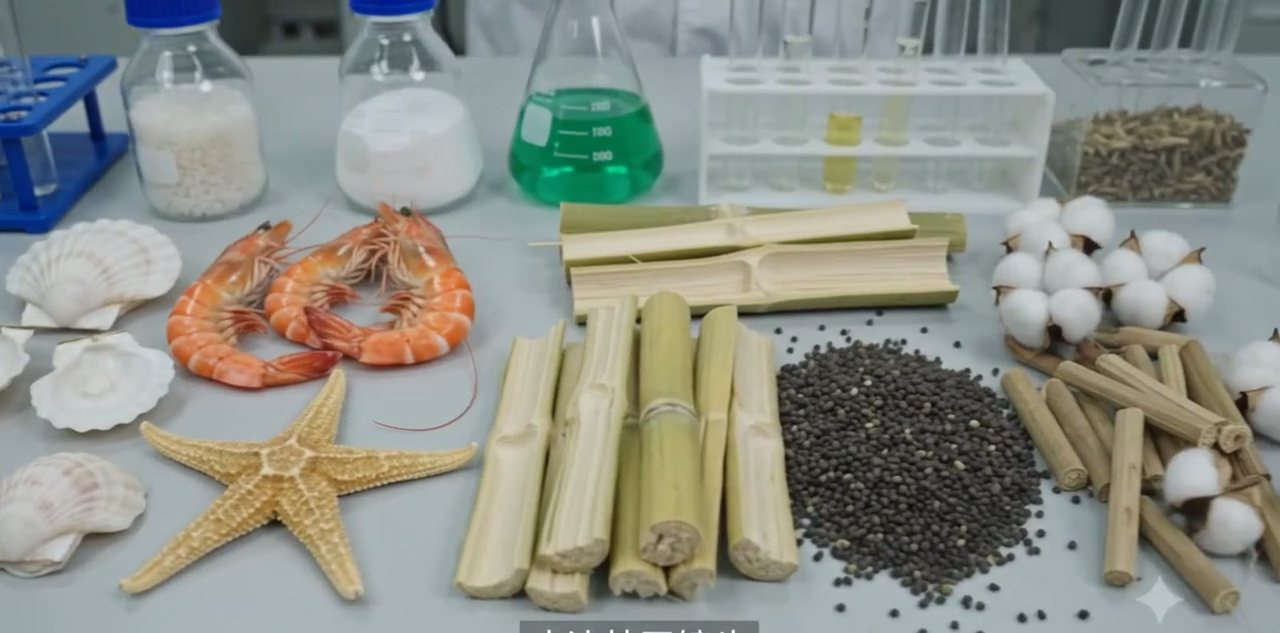
Sixteen waste streams, one supply chain

Everything we process starts as somebody else's liability. Petrochemical waste, crop residue and invasive animals move through the same collection, handling and conversion backbone into products we sell on.

Petrochemical Recovery

End-of-life rubber, plastic and textile streams diverted from landfill into extrusion feedstock and pyrolysis oil.

End-of-life tyresWaste plasticsWaste textiles & garments

Plant Biomass

Marine and agricultural residues supplied by growers, mills and coastal harvesters across Queensland and northern Australia.

SeaweedSugarcane bagasseCanola stalkCotton stalkPineapple stalkBanana stalk

Invasive & Harmful Species

Feral and pest populations harvested under control programmes — turning culling and clean-up cost into feedstock value.

Cane toadFeral donkeyFeral camelEuropean carpDarwin jellyfishCrown-of-thorns starfishWild dog

Municipal Organic Waste

Urban food and kitchen waste collected at scale — converted into bio-humic acid soil conditioners instead of going to landfill.

Food WasteKitchen ScrapsOrganic Sludge

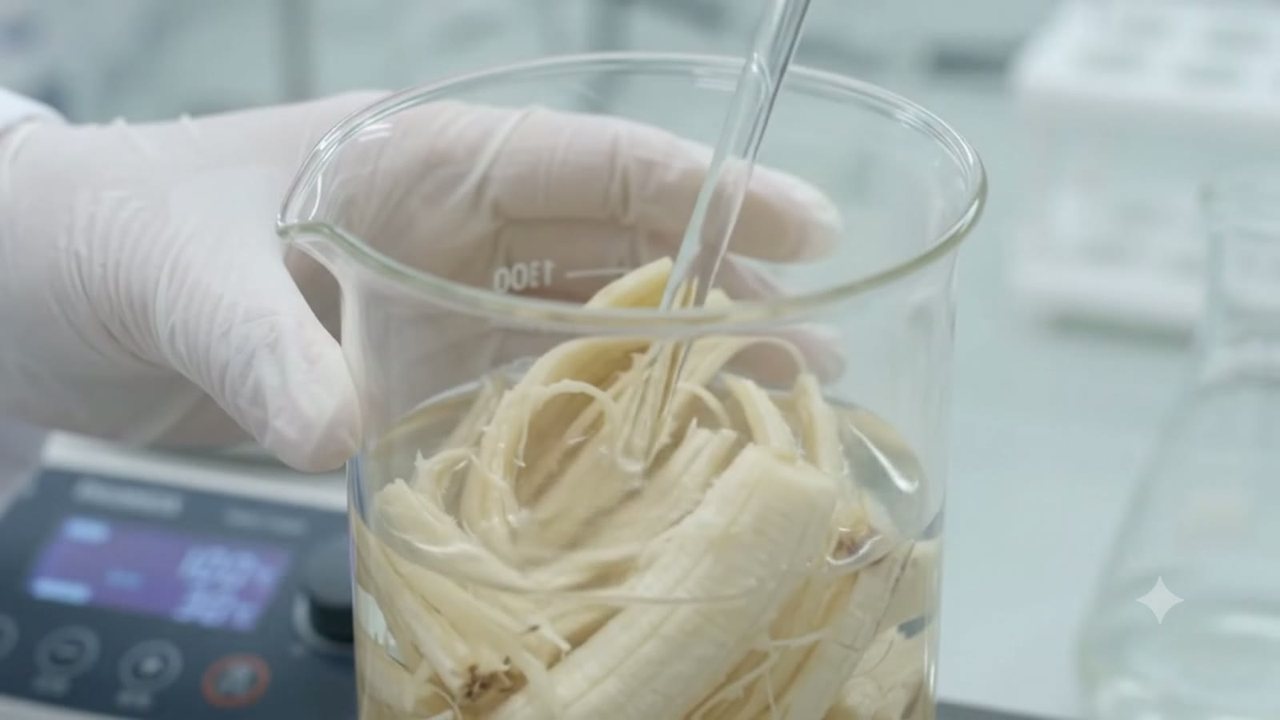
Steam explosion + enzyme treatment — from liability to fibre

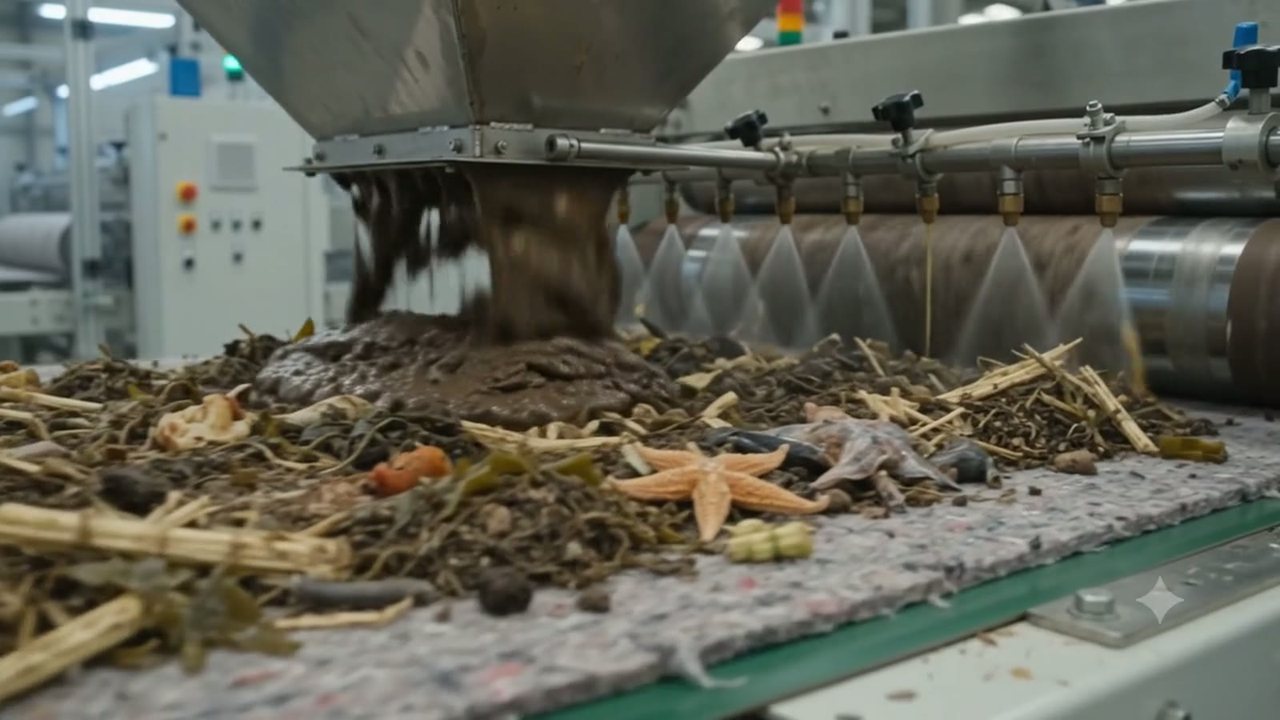
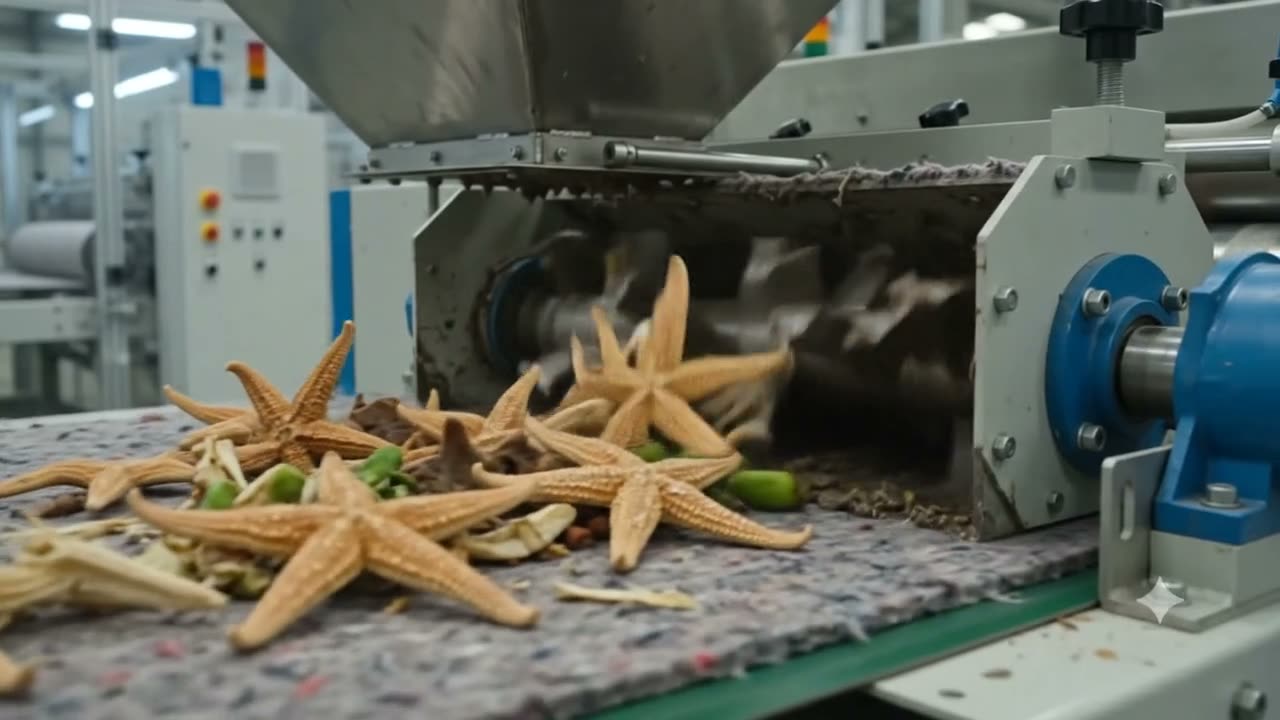
Every stream above goes through the same controlled burst: sealed-steam pre-treatment, explosive de-fibration, enzyme dosing, refining and washing.
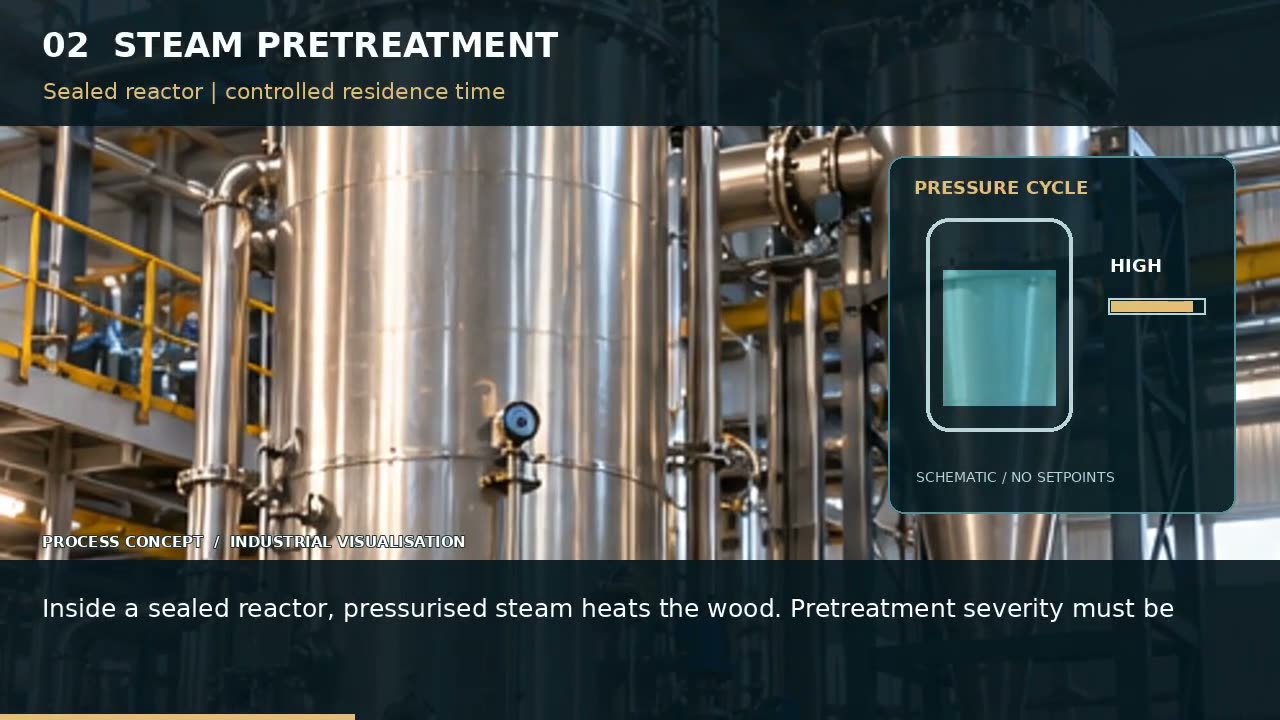
Sealed steam pre-treatment reactor inside the feedstock processing line
Process film (1 min 21 s) — feedstock intake, steam pre-treatment, explosion, enzyme treatment, refining & washing, fibre pulp output

Core Technologies

Eight platforms, one circular system

Eight wholly-owned technology platforms — each taking one recovered resource stream through to a finished product for rail, health, soil, materials or energy, and each validated with our university partners.

Scope 3 enterprise reporting. Partnering with HongAoCo supports heavy-industry clients working towards their Scope 3 emission targets through verifiable circular supply chains. Every stream is documented on a chain-of-custody basis — intake mass, processing route, output mass and equivalent virgin-material offset. We deliver data ready for enterprise ESG audit, reporting measured operational impact rather than purchased carbon credits.

Hydraulic press forming a rubber-profile composite railway sleeper LIVE PREVIEW Ternary sleeper — vulcanisation extrusion forging line
PLATFORM 01

Rubber-Profile Composite Sleepers

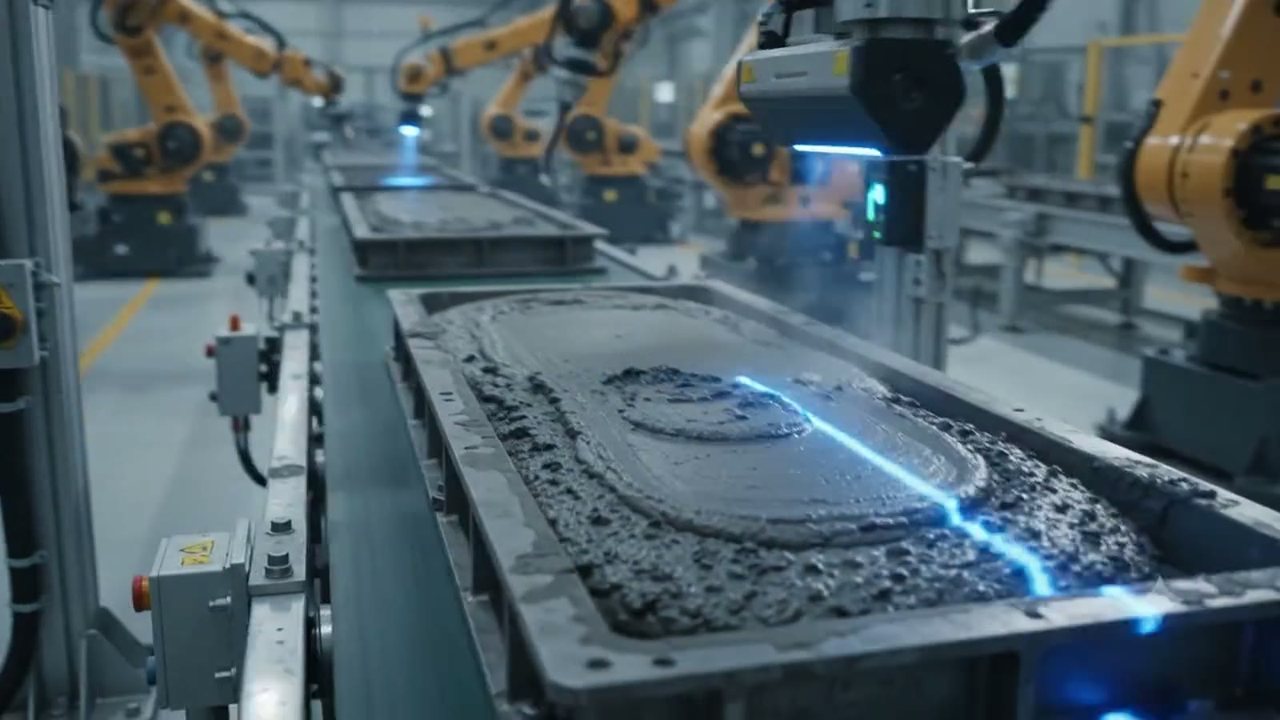
Ternary sleepers pressed from end-of-life rubber, recovered plastics and reclaimed timber fibre. The profile is formed by vulcanisation extrusion forging rather than pouring, giving a denser, fully bonded section for cane railways and heavy transport.

  • Vulcanisation extrusion forging — not cast-in-place
  • Ternary matrix: rubber + recovered plastics + timber fibre
  • Rot-proof and termite-resistant for wet-tropics duty
  • Corridor-ready: pairs with our PV railway and charging system
Rubber ProfileTernary MatrixExtrusion Forging
Bagasse pulp and fibre production line processing sugarcane residue LIVE PREVIEW Straw preparation and pulp line
PLATFORM 02

Straw Biomass Conversion

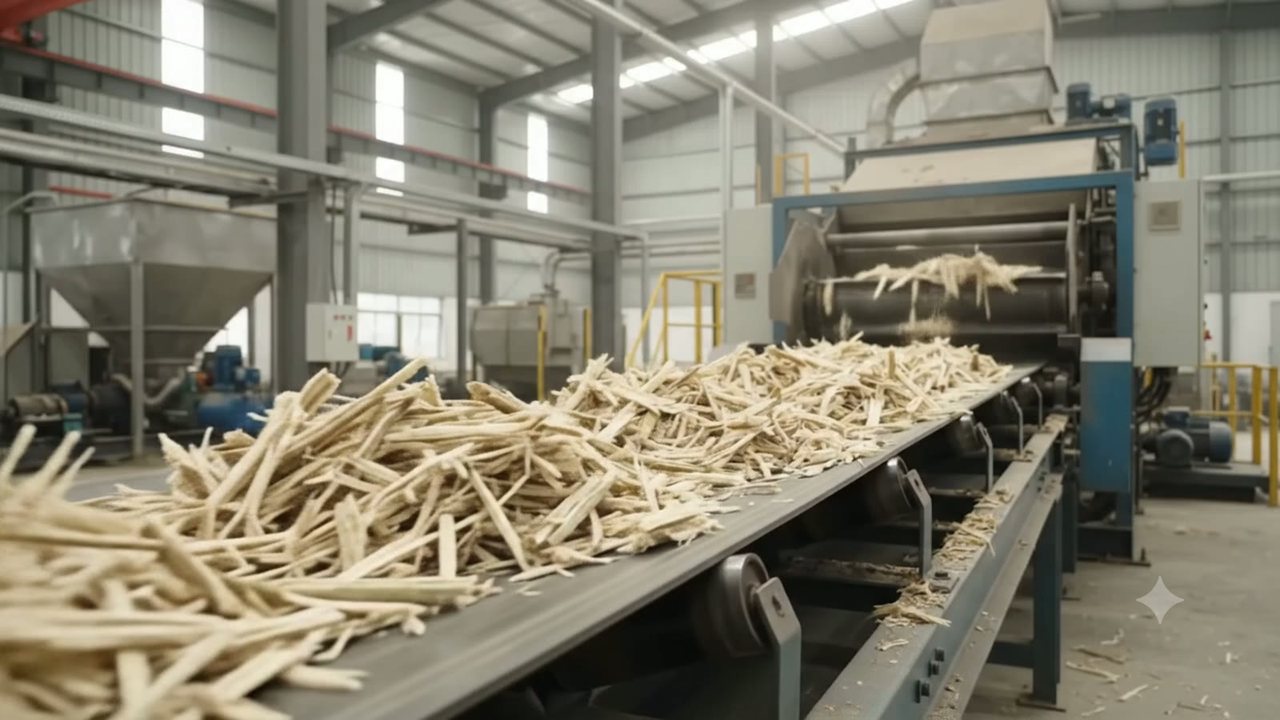
Crop straw is opened up by steam-explosion cell-wall disruption, then enzymatically hydrolysed into sugars, pulp and fibre — the upstream step that feeds our board, fibre and fermentation lines.

  • Steam-explosion cell-wall disruption
  • Enzymatic hydrolysis into fermentable sugars and pulp
  • Canola, cotton, barley, pineapple and banana residues accepted
  • Output feeds fibre, board and downstream fermentation
Steam ExplosionEnzymatic HydrolysisCrop Straw
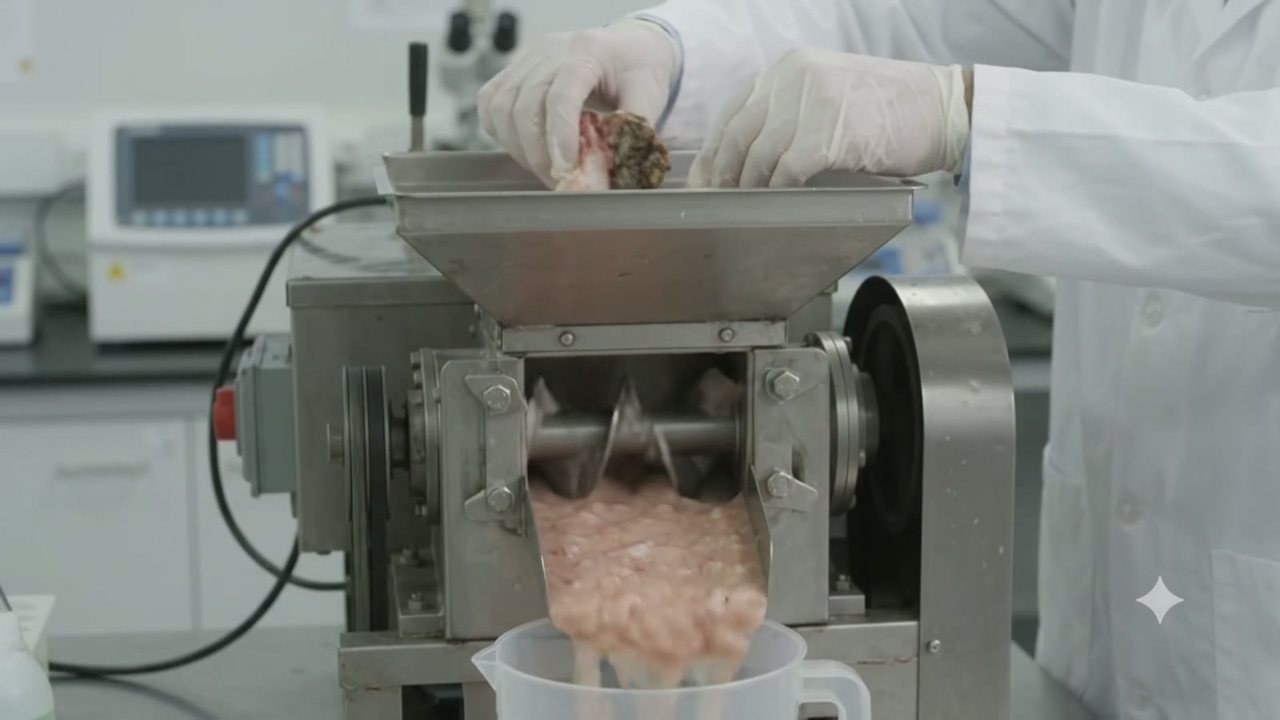
Cane toad bioactive processing — peptide and biomaterial streams LIVE PREVIEW Toad biomass to bioactive fractions
PLATFORM 03

Cane Toad Bioconversion

Whole toad biomass is put through microbial biotransformation routes, yielding peptide and bioactive fractions used in targeted therapeutics, wound dressings and functional fibres.

  • Microbial biotransformation of whole harvest biomass
  • Targeted therapeutic peptide fractions
  • Medical dressings — haemostatic and wound care
  • Functional fibres from protein streams
BiotransformationTargeted APIsMedical Dressings
Feral donkey mustering operation in the Australian rangelands LIVE PREVIEW Traceable donkey supply chain
PLATFORM 04

Donkey Product Platform

A traceable donkey supply chain running from rangeland mustering to finished consumer products — supplements, meat and milk lines built around one audited herd source.
  • Pharmaceutical-grade Ejiao extract
  • Donkey meat products
  • Bone-peptide supplements
  • Donkey milk
EjiaoBone PeptideDonkey Milk
Arid Australian rangeland country where feral camel herds are harvested LIVE PREVIEW Arid rangeland harvest and processing
PLATFORM 05

Camel Product Platform

Feral camel harvests converted into healthy-ageing and peptide lines, with the herd reduction itself funded by the product value created.
  • Functional camel-dairy peptides — healthy-ageing formulations
  • Camel hide peptides
  • Camel bone peptides
  • Rangeland management co-benefit
Camel Bio-PeptidesHide PeptideBone Peptide
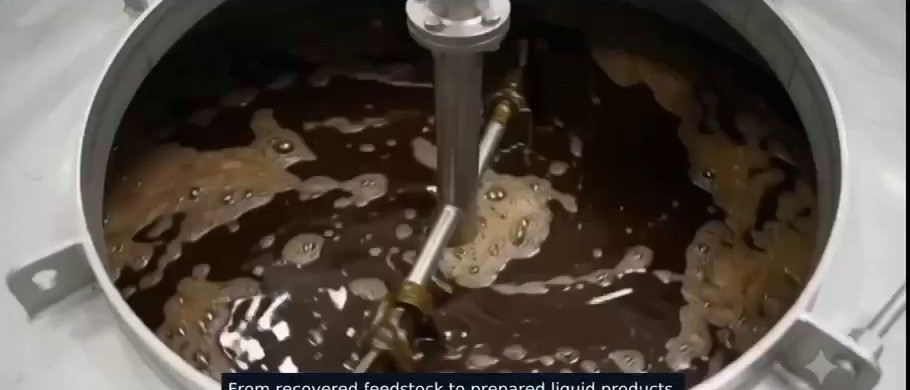
Enzymatic hydrolysis tank processing biomass into protein hydrolysate LIVE PREVIEW Hydrolysis units — aquatic pest biomass
PLATFORM 06

Aquatic Pest Conversion

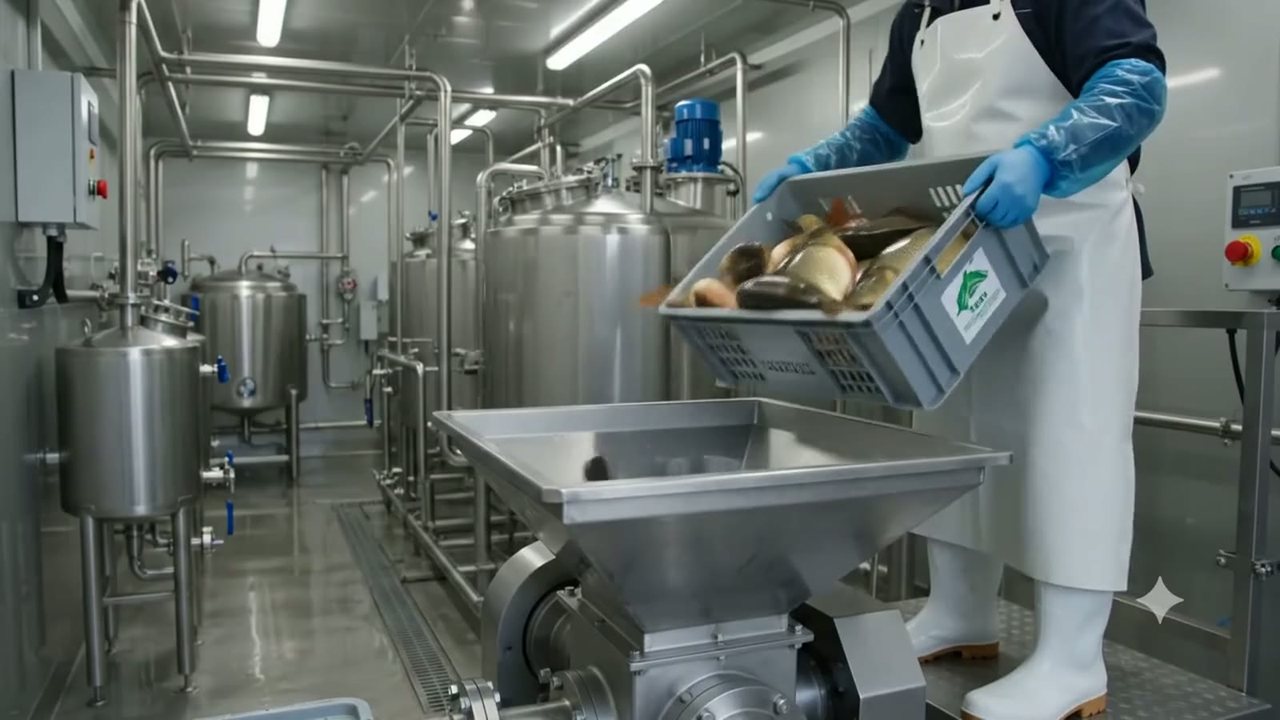
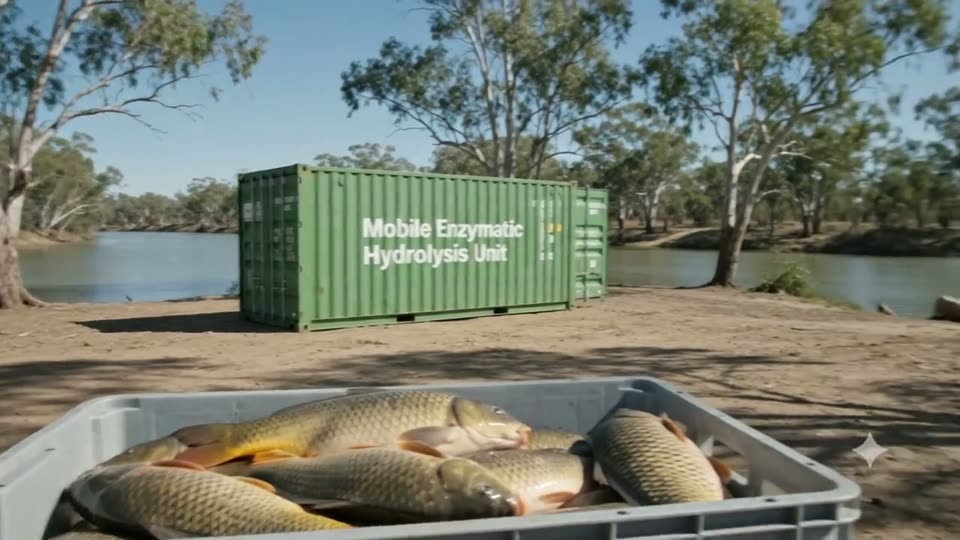
Invasive carp, jellyfish and starfish are hydrolysed into a protein fertiliser, turning waterway clean-up cost into a saleable soil input for Reef catchment land.

  • European carp harvested from river systems
  • Darwin jellyfish and crown-of-thorns starfish biomass
  • Enzymatic protein fertiliser output
  • Reef catchment nutrient and clean-up management
European CarpJellyfish & StarfishProtein Fertiliser

Platform 07 · New Land Reclamation Technology

A complete materials kit for rebuilding soil

Eight blended inputs that replace imported soil conditioners on mine rehabilitation, batter stabilisation and erosion control — every one of them built from a stream we already recover.
  • Kitchen-waste fertiliser composted from diverted food-waste streams
  • Shell powder — calcium and pH amendment from marine shell waste
  • Seaweed-derived binder for brick and blanket matrices
  • Bagasse biochar for water and nutrient retention
  • Biochar from canola, cotton, barley, pineapple and rubber residue
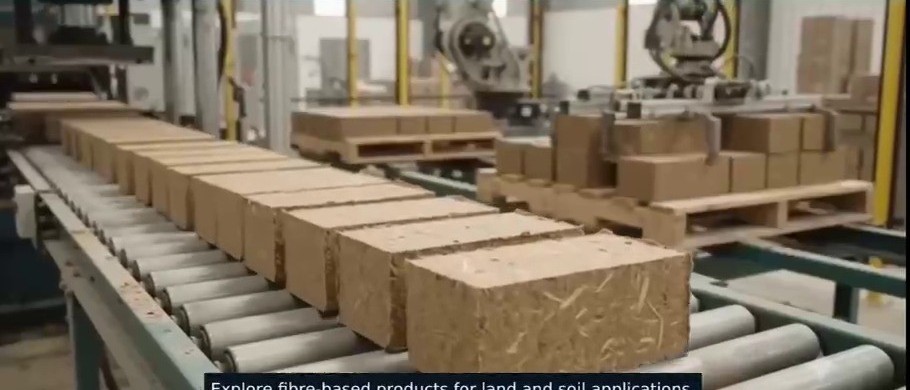
  • Hot-pressed biomass bricks for bunds, batters and hardstand
  • Biomass reclamation blankets, seeded for mine and erosion rehabilitation
BiocharSeaweed BinderBiomass Bricks & Blankets
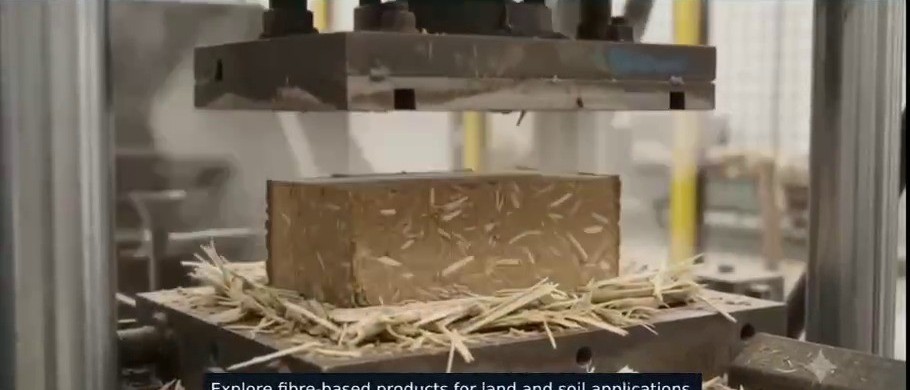
Hot press forming land reclamation biomass bricks LIVE PREVIEW Pressed biomass bricks moving along the production line
Biomass brick pressing and production line — concept visualisation

Platform 08 · Bio-Enhanced Humification Technology

Municipal food waste, returned to the land as bio-humic wealth

Our patented bio-enhanced humification process — pre-treatment, three-phase separation and aerobic fermentation — converts urban food and kitchen waste into dual-certified organic bio-humic acid soil conditioner, at 100% harmless treatment and 95%+ resource utilisation.
  • China Patent Gold Award & National Technological Invention Award
  • Dual organic certification — Chinese and international organic standards
  • 400,000 t CO₂e avoided across the operating network over five years
  • 660,000+ hectares of degraded farmland improved; chemical fertiliser input displaced
  • Delivered as turnkey EPC or build-own-operate — 10+ municipal centres already running
Bio-Humic AcidAerobic FermentationNational Award Winner
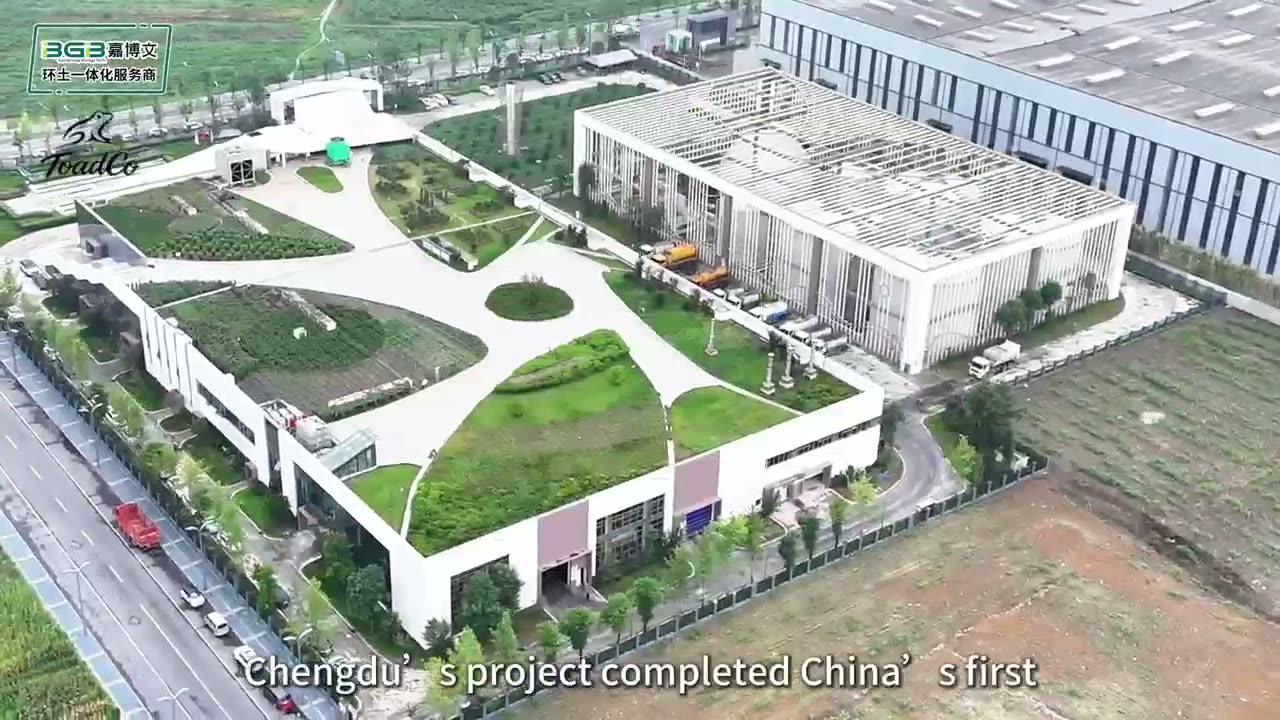
Aerial view of a large-scale municipal food-waste bioconversion facility LIVE PREVIEW Aerobic fermentation tanks inside a municipal food-waste processing plant
Municipal food-waste bioconversion — facility aerial and fermentation line

Wild Bio-Resource Programme · Animal Protein

Feral herds and pest waterways, converted into protein and biomaterial value

Millions of feral donkeys and carp roam Australia's rangelands and river systems. Our wild bio-resource programme musters and processes them into traceable animal protein, hides and pharmaceutical feedstock — easing pressure on the land while building export income and regional jobs.

Feral Donkey MusteringRangeland mustering of wild donkey herds — dairy, meat and hide supply from NT, WA & QLD country.
Donkey Ejiao ProductsTraceable donkey hides & milk — ejiao gelatin, a prized traditional Chinese wellness ingredient, for export to China.
Cane Toad Bio-PharmaToad-based pharmaceutical feedstock and insect protein farming pathways.
Carp Fertiliser IndustryFish protein fertiliser from invasive carp — supporting aquatic ecosystem management.
Millionsferal donkeys and camels range across Australia's outback rangelands
Up to 90%of fish biomass in parts of the Murray–Darling Basin is invasive carp
4export regions — China (ejiao), SE Asia, the Middle East and Europe
End-to-endchain-of-custody records from muster to processing to export
Protein MealHides & GelatinPharma FeedstockExport: China (Ejiao) · SE Asia · Middle East · Europe
Australian Wild Bio-Resource Industry Map — feral donkey mustering, ejiao, cane toad bio-pharma and carp fertiliser industries with export markets to China, Southeast Asia, the Middle East and Europe
Invasive carp delivered to a mobile enzymatic hydrolysis unit beside a river system LIVE PREVIEW
Invasive carp into enzymatic protein fertiliser — mobile hydrolysis unit · Wild Bio-Resource industry map

Clean & Renewable Energy

Generate it along the corridor, then run everything off it

Two linked programmes: solar generation built into the transport corridor we already supply sleepers for, and power made from the waste we already collect.

Corridor Concept · Clean Energy

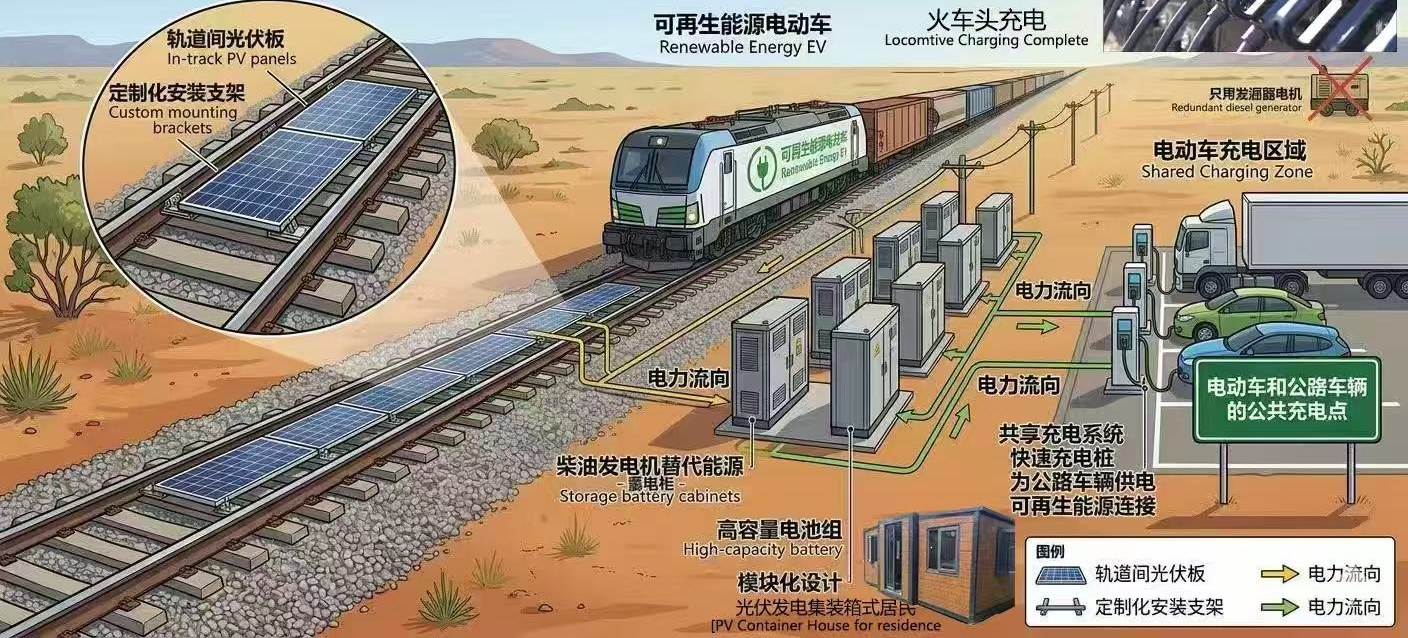
PV Railway & EV Charging Shared System

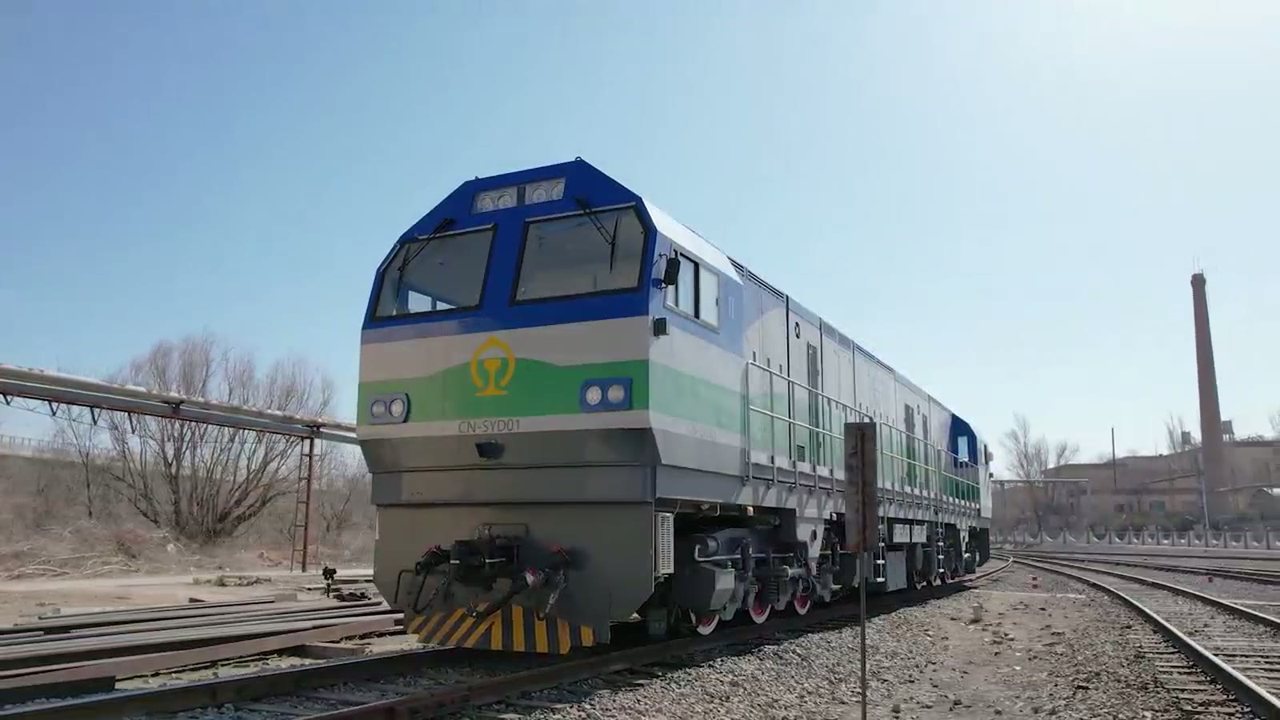
Our northern-Australia corridor concept pairs in-track solar with shared battery storage — replacing diesel generation and powering both rail operations and the regional EV fleet, with communities sharing the charge.
PV Rail & Electric TrainsIn-track solar feeds electric locomotives and takes diesel off the corridor.
Electric TrucksCorridor fast-charging for regional freight haulage.
Electric VehiclesShared public charging bays along the rail reserve.
Agricultural MachineryElectrified farm and cane-harvest equipment on the same supply.
Households & CommunitiesLocal generation shared with towns along the line.
Charging NetworkBattery buffering and modular PV containers for remote outstations.
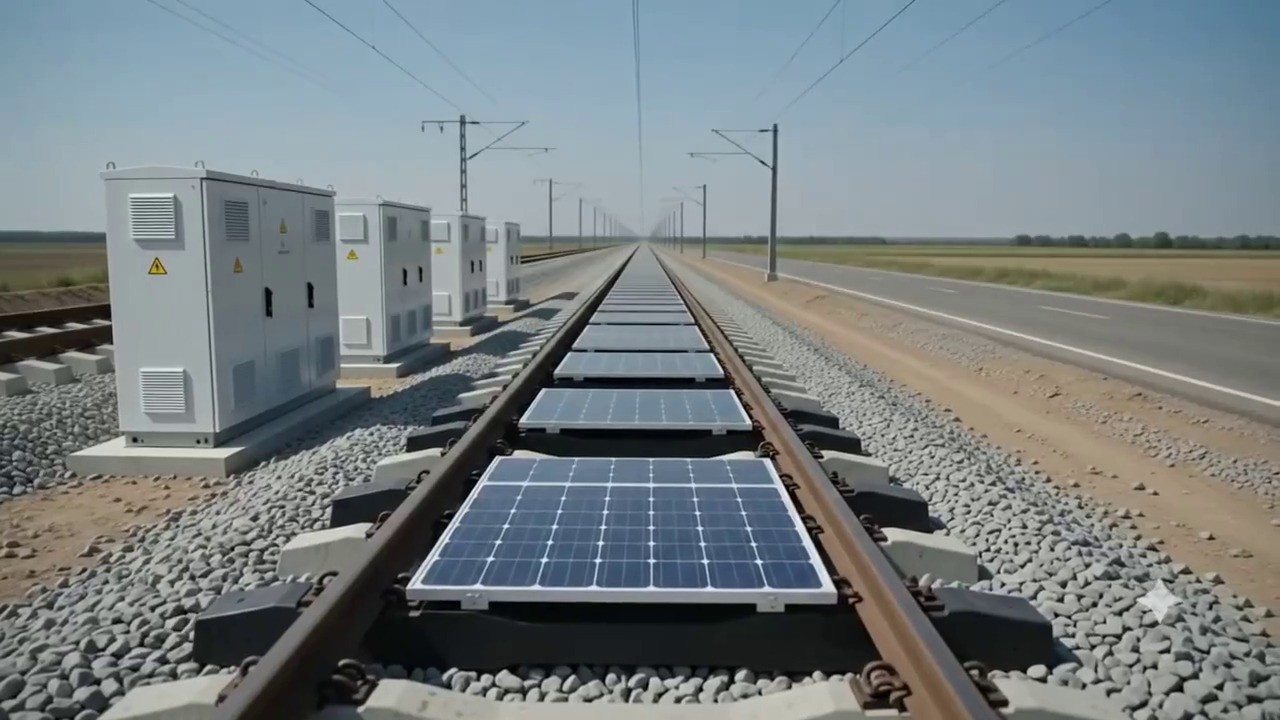
  • In-track PV panels on custom mounting brackets, laid along the rail corridor
  • High-capacity battery cabinets buffer solar generation between train passes
  • Locomotive charging plus shared fast-charging bays for public EVs and highway vehicles
  • Modular PV container units power signalling, crew facilities and remote outstations
In-track PVShared StorageEV Fast ChargingDiesel-Free Corridors
Diagram of the PV railway and EV charging shared system for northern Australia — in-track solar panels, storage battery cabinets, locomotive charging and a shared public EV charging zone
PV Railway & EV Charging Shared System — corridor concept diagram
In-track photovoltaic panels and battery cabinets installed along a railway corridor — concept visual
In-track PV + corridor storage — concept visual

Renewable Energy Generation

Waste tyres and waste plastics become electricity

Pyrolysis converts the tyre and plastic fractions we collect into fuel oil, which we generate power from to supply the same corridors, mills and regional loads that produced the waste.
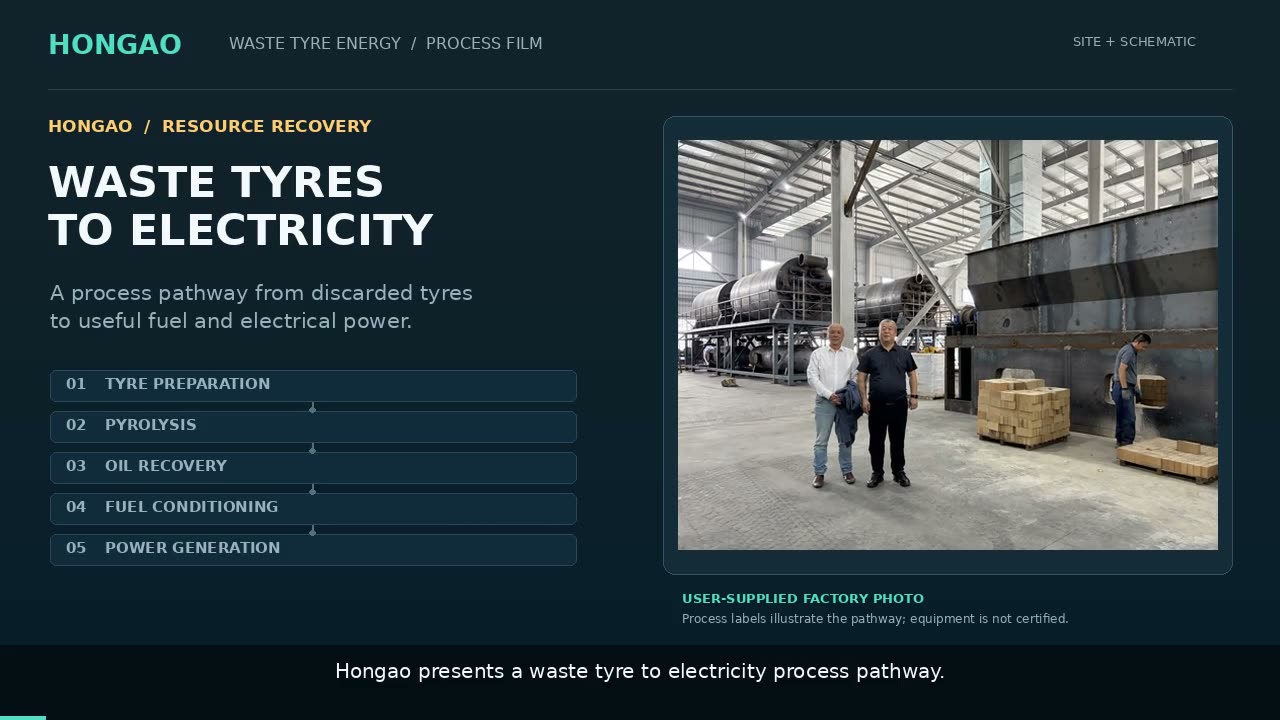
STEP 01Waste Tyres & PlasticsSorted, shredded feedstock from the recovery network.
STEP 02Pyrolysis ConversionOxygen-free thermal cracking into pyrolysis oil, carbon black and steel.
STEP 03Power GenerationOil-fired generation feeding corridor, mill and offtake loads.
STEP 04Circular SupplyGeneration sized to the assets we operate: rail, processing and charging.
Pyrolysis OilTyre-Derived FuelRegional Grid Support
Pyrolysis process film cover — waste tyre to electricity pathway with plant footage
Process film — five steps from end-of-life tyres to qualified fuel and electricity (1 min 52 s)

Business Model

Not just a technology owner — every role in the chain

Depending on the engagement model, we are the solution writer, the equipment builder, the operator, the raw-material supplier or the buyer of the finished product. Most partners work with us in more than one of those roles.

The Delivery Model · Full-Stack Waste-to-Value

We provide the technology — and buy back the products

A professional waste-processing technology and market-development company: the streams listed in Recovered Resources are converted through our own plant, and the finished products are repurchased for market. Everything below describes how we engage — not what we process.

  • 100% in-house intellectual property — equipment designed and manufactured by ourselves, including after-sales maintenance service
  • Complete technology packages: machinery, formulas and process additives
  • Flexible engagement — one project can combine licensing, turnkey plant delivery, joint-venture operation and product offtake, or pick just one.
  • We carry the market risk — finished output is bought back under offtake agreements, so counterparts are not left holding product they cannot sell.
  • Life-of-plant support — spare parts, process tuning and operator training come from the same engineers who built the line.
Technology ProviderProduct Buy-BackIn-House IP · Equipment · Formulas
Founder Leo Uluru presenting finished fibre bio-bricks beside pallet stock — concept visualisation
Founder Leo Uluru with finished fibre bio-bricks — concept visualisation
MODEL A

Turnkey Technology & Equipment

Full engineering, procurement and construction (EPC) delivery of our processing lines, backed by life-of-plant maintenance and operator training.

  • Proprietary machinery supply
  • Process tuning & formulations
  • Plant commissioning
  • After-sales engineering
EPC DeliveryTurnkey PlantsEight platforms
MODEL B

Joint Venture & Operations (BOO/BOT)

We co-invest, build and operate processing facilities on site for industrial, mining and agricultural partners, carrying the operating risk alongside them.

  • Shared CAPEX structures
  • On-site operations management
  • Risk and revenue sharing
Joint VenturesBuild-Own-OperateFlagship programmes
MODEL C

Offtake & Material Supply

Closing the circular loop: we arrange offtake for finished products made on our technology, or supply recovered and reclamation materials directly to your projects.

  • Product offtake agreements
  • Patent licensing for IP use
  • Reclamation material supply
Product OfftakeIP LicensingRecovered resources

Key Projects

From lab bench to Queensland landscape

Five flagship programmes carrying our wholly-owned technologies from laboratory validation to field deployment across regional Queensland — spanning recovered resources, clean energy and land restoration.

01 / RAILPilot Testing

Cane Rail Composite Sleeper Programme

Timber-rubber composite sleepers engineered and validated for Queensland sugarcane rail lines and branch networks — with solar corridor concepts under development for electrified green haulage.

ScopeTernary sleeper production line (vulcanisation extrusion forging) + PV rail & EV charging corridor concept
RolePatent provider · Raw-material supplier · Technology & operations management
ConceptLab ValidationPilot DeploymentCommercial Scale
02 / MATERIALSLab Validation

RUIC Bio-Brick Certification

Mechanical and environmental testing of hot-pressed bagasse bio-bricks through our Australian university research programme — building the evidence base for mine backfill, erosion control and land restoration markets.

ScopeCertification of biomass bricks & reclamation blankets made from eight blended inputs — food-waste compost, shell powder, seaweed binder, bagasse & straw biochar
RoleRaw-material supplier · Product developer
ConceptLab ValidationPilot DeploymentCommercial Scale
03 / LANDDeployment Planning

Reef Catchment Revegetation

Seed-loaded revegetation blankets and bio-bricks stabilising eroded catchment land — reducing sediment and nutrient run-off flowing into the Great Barrier Reef lagoon.

ScopeEnd-to-end reclamation & soil improvement works — mine rehabilitation, batter stabilisation, erosion control on reef catchments
RoleConstruction operator · Raw-material supplier
ConceptLab ValidationPilot DeploymentCommercial Scale
04 / SOILField Trials

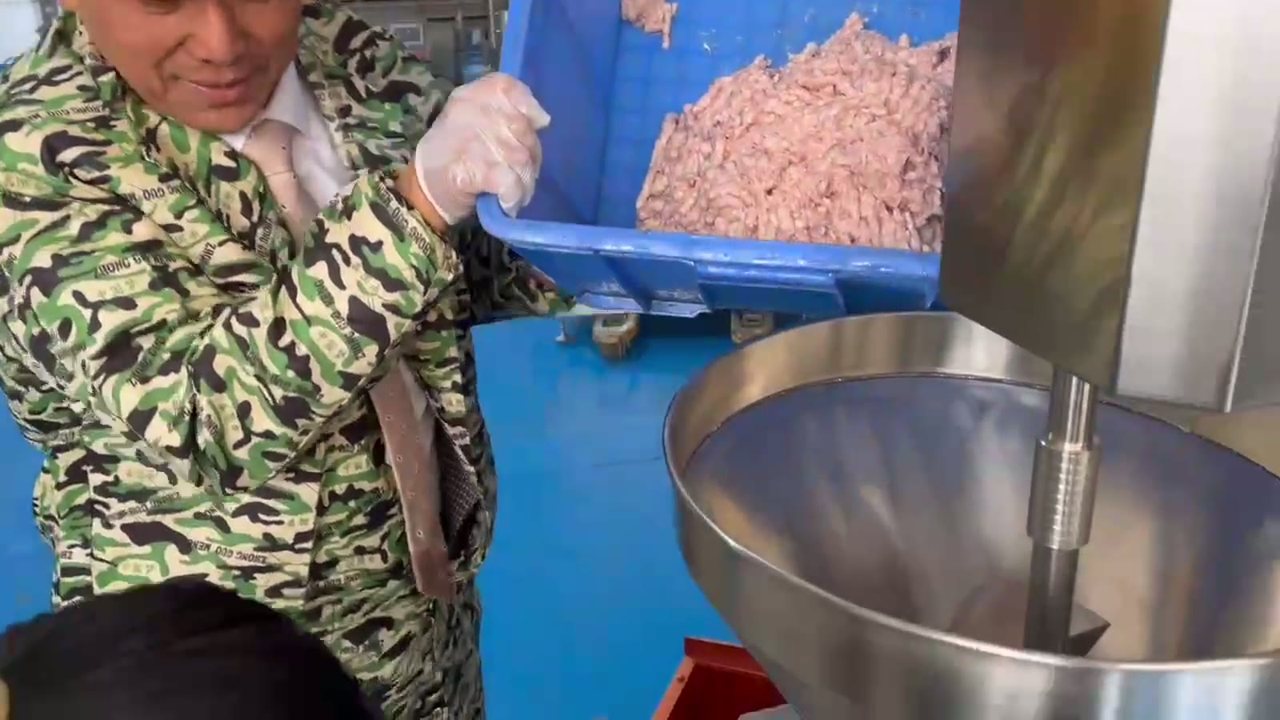
Mobile Hydrolysis Field Units

First mobile enzymatic hydrolysis units converting invasive carp and seaweed into high-activity liquid bio-fertiliser — processed on-site across Queensland regional waterways and farms.

ScopeMobile enzymatic hydrolysis (steam-explosion pre-treatment + enzymatic hydrolysis) of invasive carp, jellyfish & seaweed into liquid protein fertiliser
RoleEquipment provider · Operator · Product sales
ConceptLab ValidationPilot DeploymentCommercial Scale
05 / INFRASTRUCTURECommercial Scale

National Food Waste Disposal Network (BGB Model)

More than ten large-scale municipal food-waste disposal centres designed, built and operated by our team — a network that served world-class events including the Beijing Olympics and avoided over 400,000 tonnes of CO₂ emissions across five years of operation.

ScopeConstruction & operation of 10+ urban food-waste processing centres producing bio-humic acid soil conditioners
RoleTurnkey EPC provider · Owner-operator (BOO)
Track recordChina Patent Gold Award · National Technological Invention Award · dual organic certification
ConceptLab ValidationPilotCommercial Operation
Unstaged Factory Footage

From blueprint to heavy machinery.

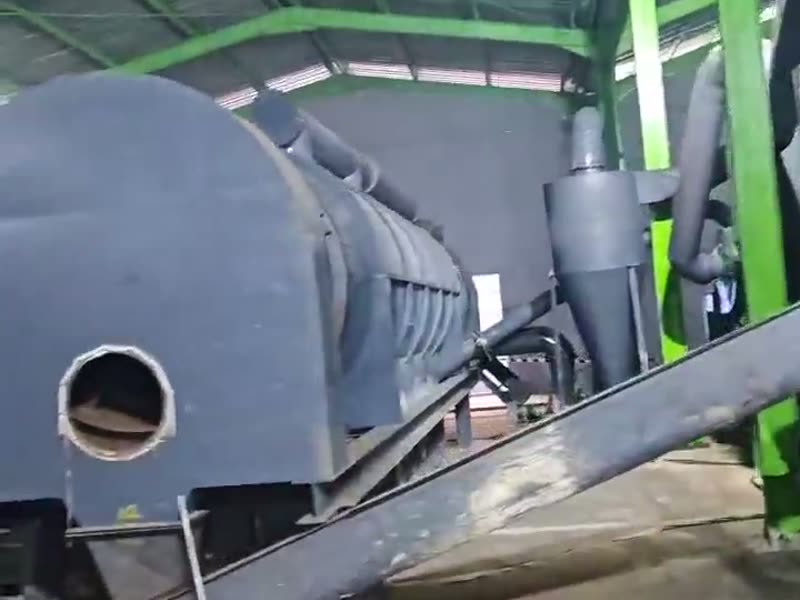
We don’t just design circular systems — our industrialisation teams build, commission and operate the heavy machinery behind them. A raw look inside our manufacturing network: a continuous biomass carbonisation rotary kiln in full operation, converting agricultural residue into high-purity, carbon-negative biochar.
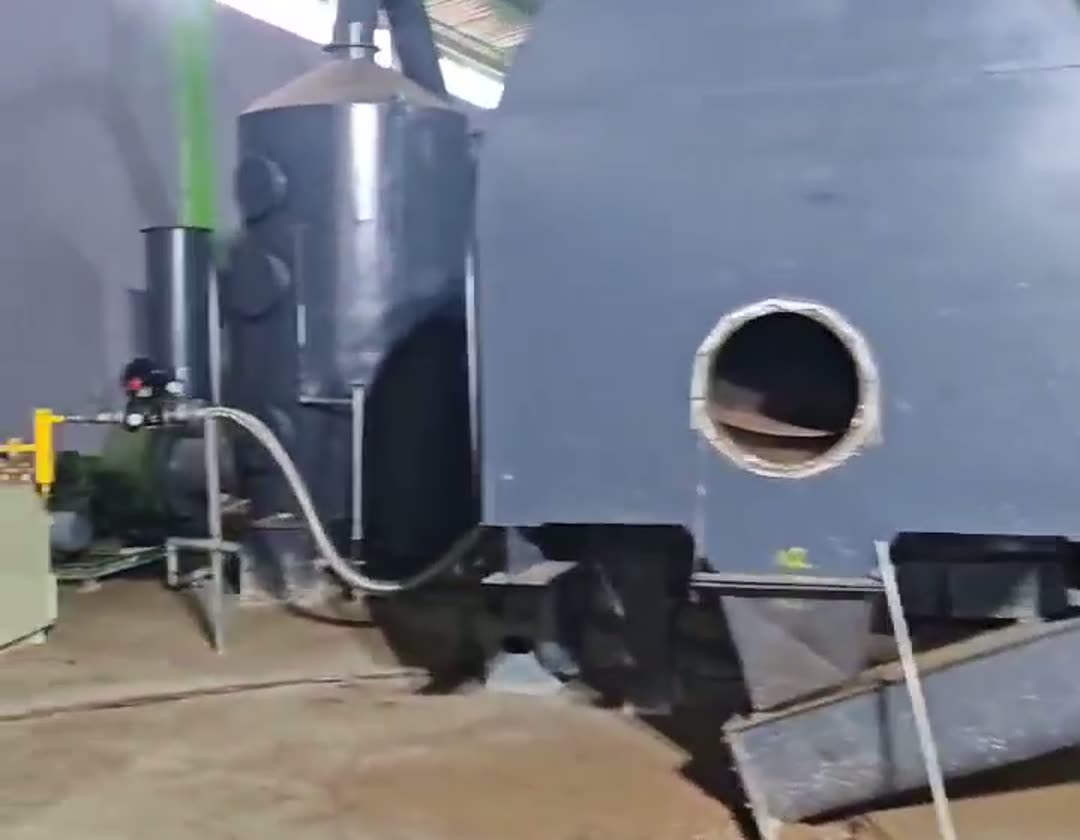
Biochar Production Rotary Kiln In-House Manufacturing
Continuous biomass carbonisation rotary kiln discharging fresh biochar

Academic R&D

Built on university-backed validation

Deep industry collaboration with Australian universities puts independent science behind every product before it reaches the field.
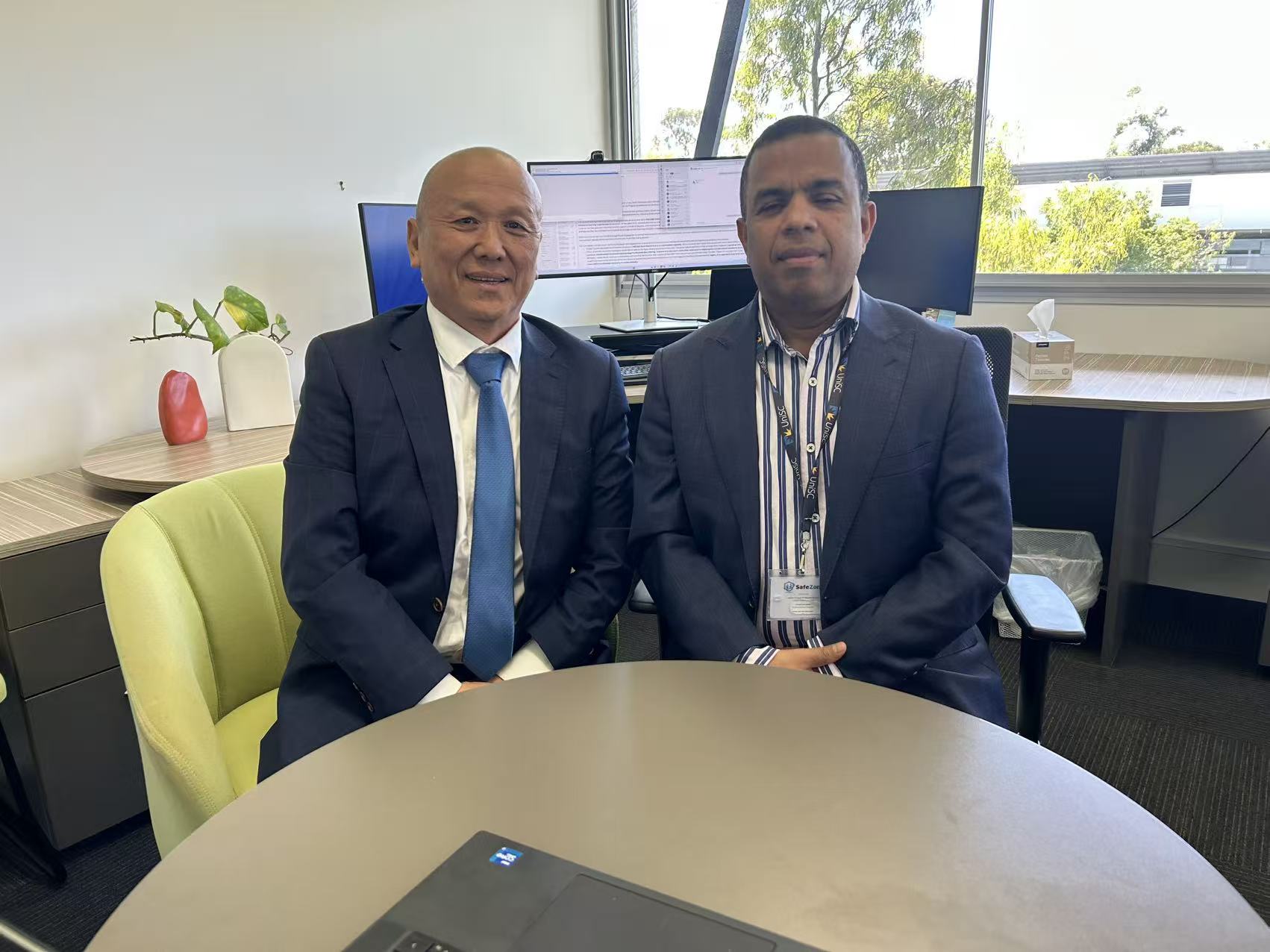
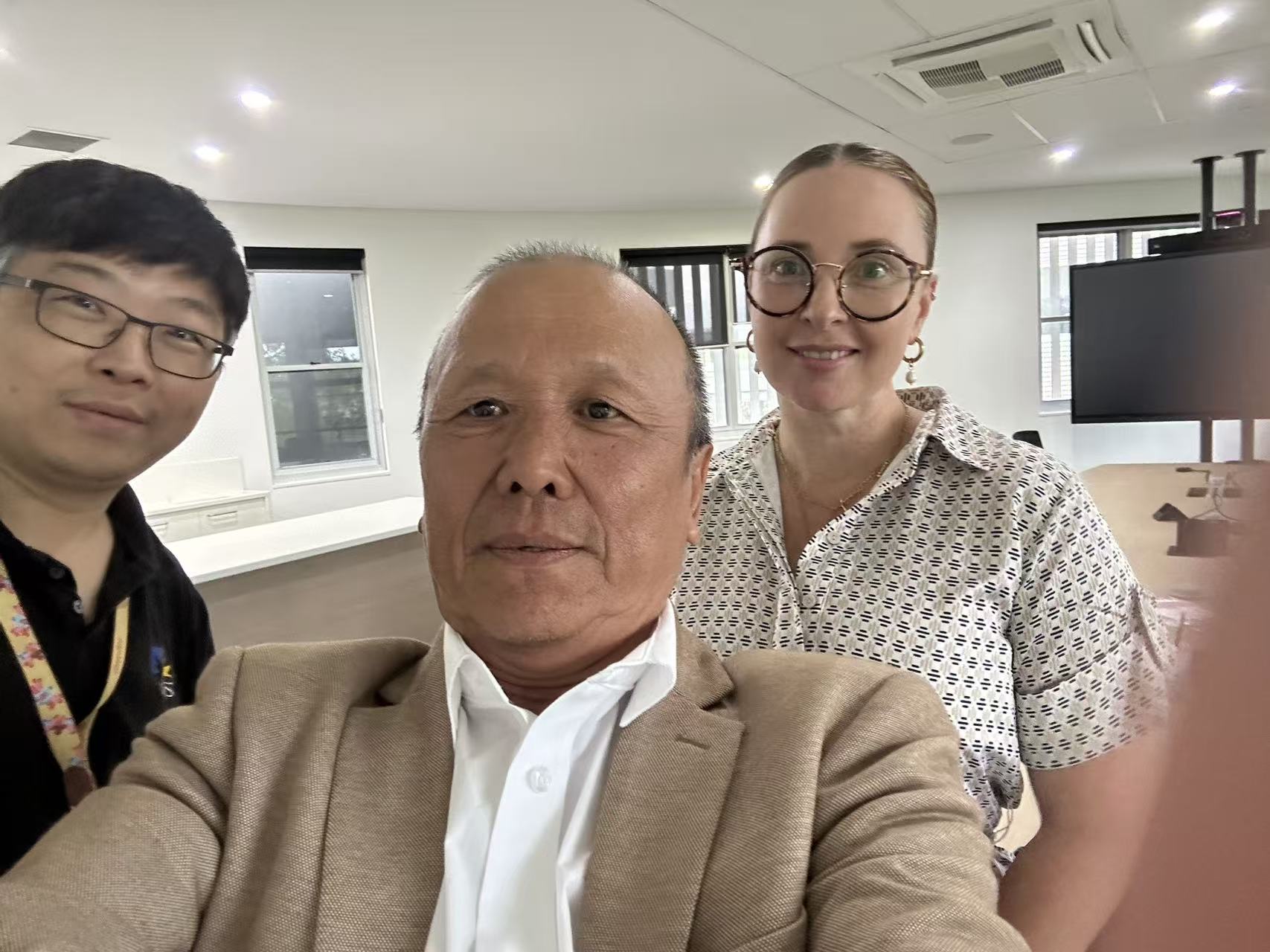
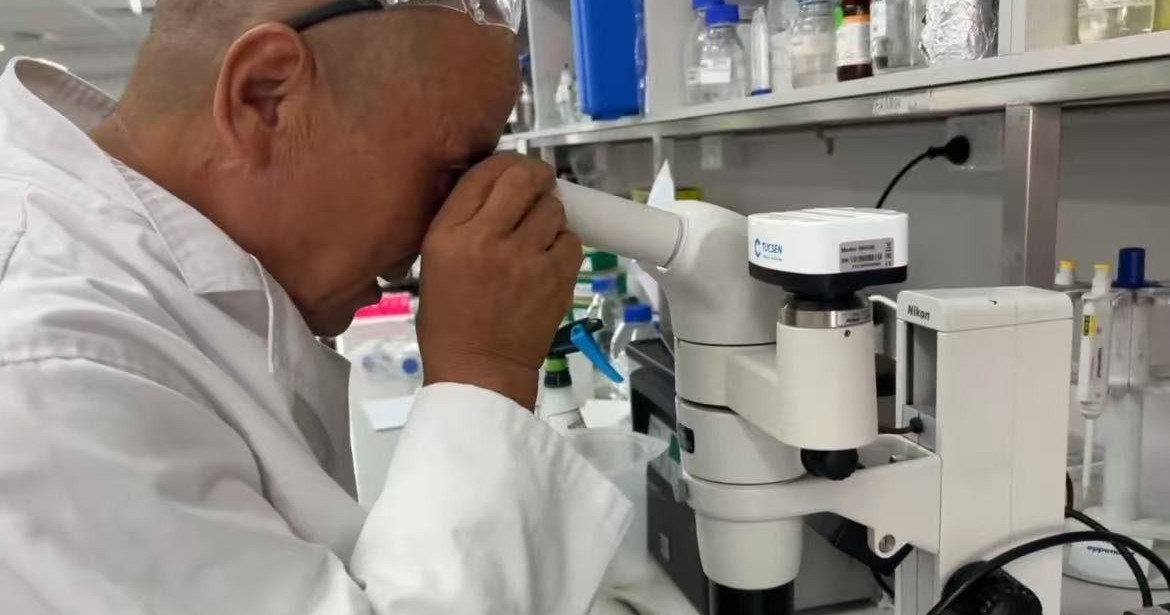
Leo Uluru meeting with Australian university research staff on the sugarcane rail sleeper joint programme Joint working session with Australian university academic partners on campus In-house laboratory work at the microscope — cane-toad targeted therapeutics R&D programme
Industry–University Partnership & In-House R&D Founder-led laboratory work on toad-targeted actives, alongside joint working sessions with our Australian university research partners

Current joint R&D with Australian universities

Committed industry funding is matched by university support, accelerating lab validation, student research and field trials across both flagship platforms.

AO Prof Aman Oo Australian University · Joint R&D Collaboration
CR Dr Charith Rathnayaka University Partner · Sleeper Project Co-supervisor
A$160k+ Active Commitments SSTE Matching Support DVCRI Matching Support PhD Scholarships

Industry funds are matched by SSTE and DVCRI support programmes — a A$160,000+ active joint R&D and scholarship portfolio spanning rail composites and bio-materials.

Joint Project · Rail Infrastructure

Timber–Rubber Composite Sleepers for Sugarcane Rail Infrastructure

Co-supervised with Dr Charith Rathnayaka. Composite sleeper formulations from recovered rubber, plastics and timber, tested for durability, load performance and tropical-environment service life.

Joint Project · Materials Testing (RUIC)

Hot-Pressed Bio-Brick — Mechanical & Environmental Testing

Systematic testing of bagasse-alginate bio-bricks: compressive strength, weathering, biodegradation behaviour and environmental impact profile for certification and market entry.

Impact, ESG & Global Alignment

Environmental returns and community returns, together

Our business model is our ESG strategy: every tonne recovered and every hectare restored creates measurable environmental and social value — and each outcome maps directly onto the UN Sustainable Development Goals.

Contribution to the UN Sustainable Development Goals

Six globally agreed goals that our eight technology platforms advance directly — reported against published SDG targets so partners can audit the claim, not take it on trust.

SDG 7 Affordable & Clean Energy In-track PV feeding electric rail, freight and community charging, plus pyrolysis-oil generation from end-of-life tyres and plastics.
SDG 9 Industry, Innovation & Infrastructure Ternary rubber-profile rail sleepers and industrialised biomass processing built on wholly-owned technology and Australian manufacturing.
SDG 12 Responsible Consumption & Production Tyres, plastics, textiles and crop residue diverted from landfill into engineered products — every feedstock is recovered or invasive by design.
SDG 13 Climate Action Displacing fossil fuels through electrified transport corridors and renewable on-site generation, with emissions and drawdown reported on a chain-of-custody basis for client carbon accounting.
SDG 15 Life on Land Invasive species control, desert reclamation and revegetation restoring ground cover across degraded Queensland catchments.
SDG 17 Partnerships for the Goals Joint research and scholarship programmes with Australian universities, industrialisation partners in China, and on-country delivery with Traditional Owners.

Great Barrier Reef Protection

Healthy catchments make a healthy Reef. We work upstream of the lagoon, on the land.

  • Watershed land restoration to cut soil loss and sediment run-off
  • Control and high-value utilisation of crown-of-thorns starfish
  • Revegetation blankets rebuilding ground cover on degraded slopes

Indigenous Empowerment

Long-term employment and skills pathways for Aboriginal and Torres Strait Islander communities.

  • Feral animal mustering & on-country operations crews
  • Feedstock collection and regional supply roles
  • Machine operation and processing technical training
  • Ecological restoration operations and maintenance careers

Desert & Rangeland Restoration

Bringing degraded inland country back to life — with the people who know it best.
  • Feral donkey mustering lifts grazing pressure off arid rangelands
  • Revegetation planting and soil rebuilding on degraded desert country
  • Delivered with pastoralists, land councils and Traditional Owners
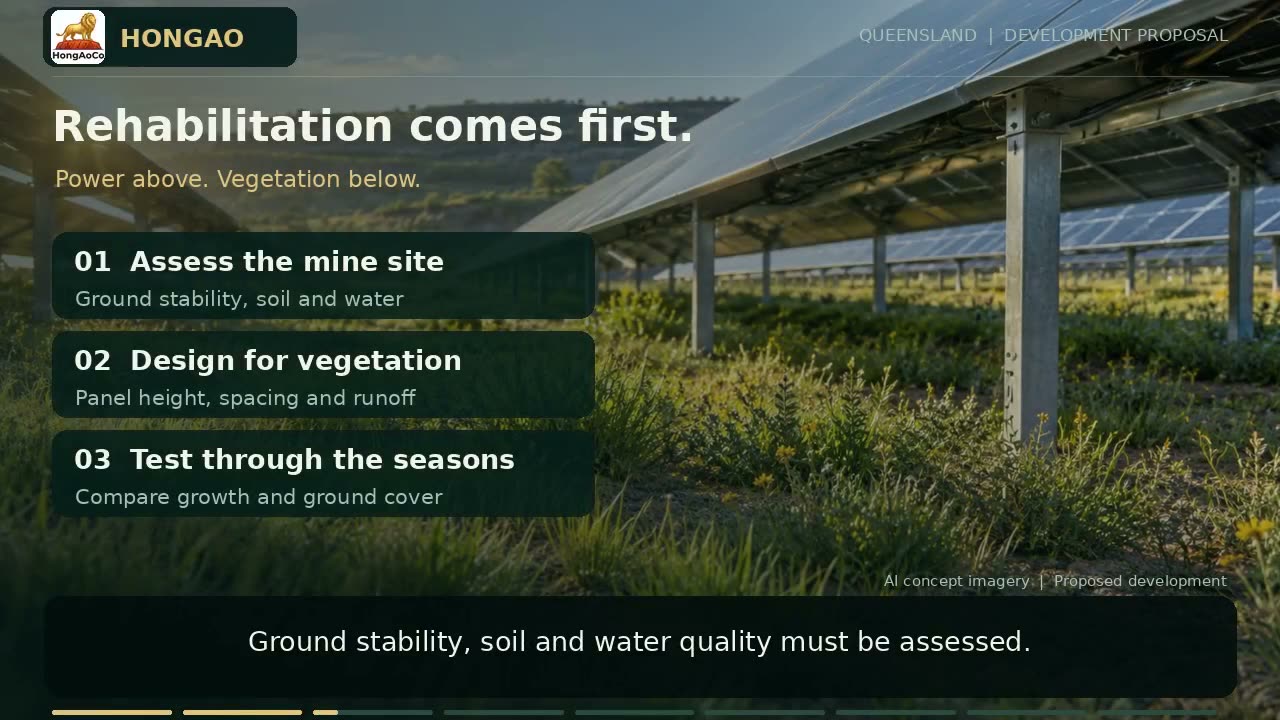
Mine-site rehabilitation slopes being revegetated under the restoration programme
Restoration programme film (2 min 39 s) — presented by founder Leo Uluru: mine rehabilitation, solar + storage with real offtake, and a staged expansion model
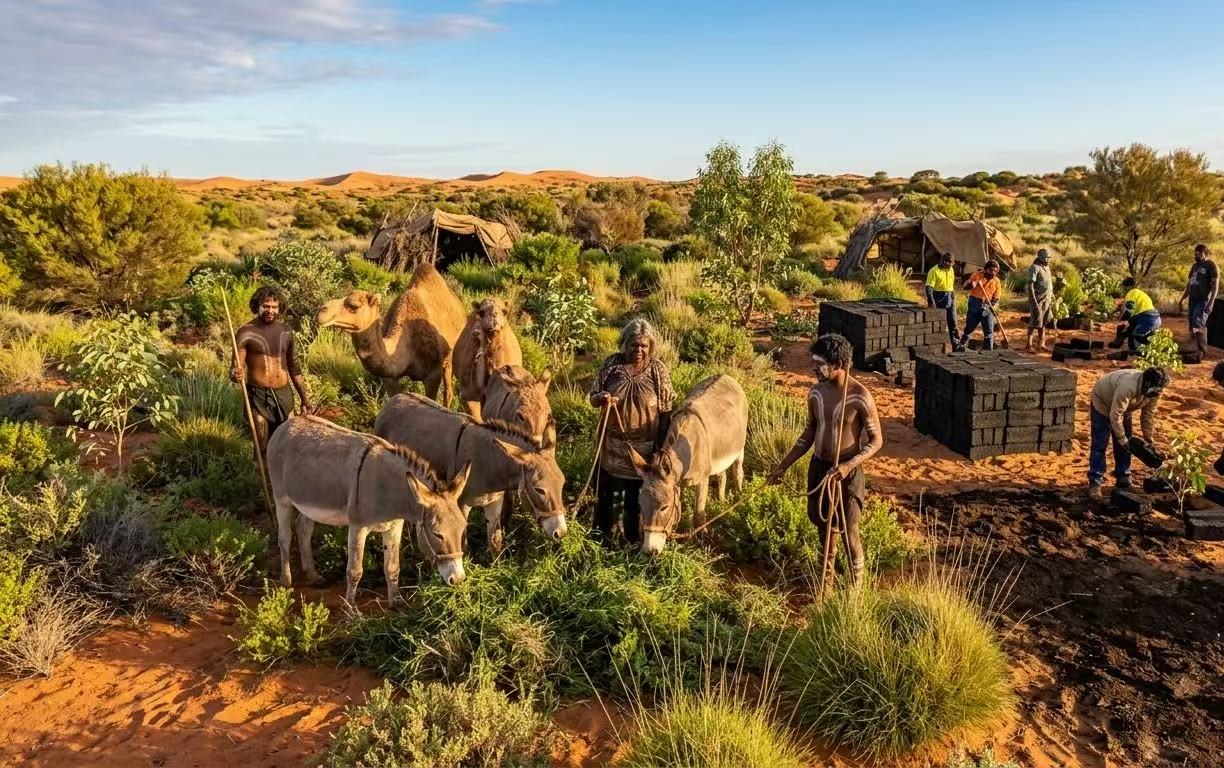
Illustrative scene of rangeland restoration — Indigenous crews planting native vegetation with donkeys on red-country
Rangeland restoration on arid country — the land we work to bring back (illustrative concept)
Our on-country team with Aboriginal partners during feral animal and land operations in outback Queensland
On-country crew — Indigenous employment in land & feral animal operations
Resource Recovery & Clean Energy Circular Supply Chains Regional Jobs & Training Reef Catchment Focus Desert & Rangeland Restoration Indigenous Employment
Australian Patent ApplicationsProprietary biomass & polymer composite technology — details on request
Engineering StandardsDesign aligned with Australian heavy-rail and building code requirements
ISO Compliance RoadmapWorking towards ISO 9001 & ISO 14001 certification
Scope 3 TraceabilityChain-of-custody records ready for enterprise ESG audit

Contact Us

Partner With Us

Whether you represent a rail network, a mine site, a grower group, a research partner or an investor — we would like to hear from you.

Office8 Gilbert St, Maroochydore QLD 4558, Australia
Phone+61 417 555 7418
Local: 0417 555 7418
CorporateHongao New Technology Australia Pty Ltd
ABN 99 638 849 359 · ACN 638 849 359
Brands: ToadCo / HongAoCo

Project Inquiry

Tell us a little about your organisation and interest — we respond within two business days.

Please enter your name.
Please enter a valid email address.
Please include a short message.

Prefer email? Write directly to general.hongao@gmail.com

Thank you — message captured

Your inquiry has been prepared. To deliver it right now, send it via your email app with one click below, or email general.hongao@gmail.com.

Open in Email App